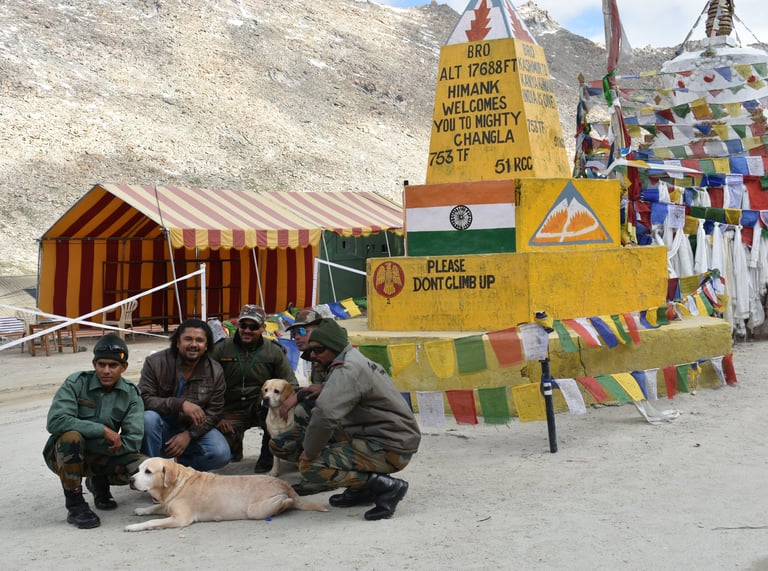
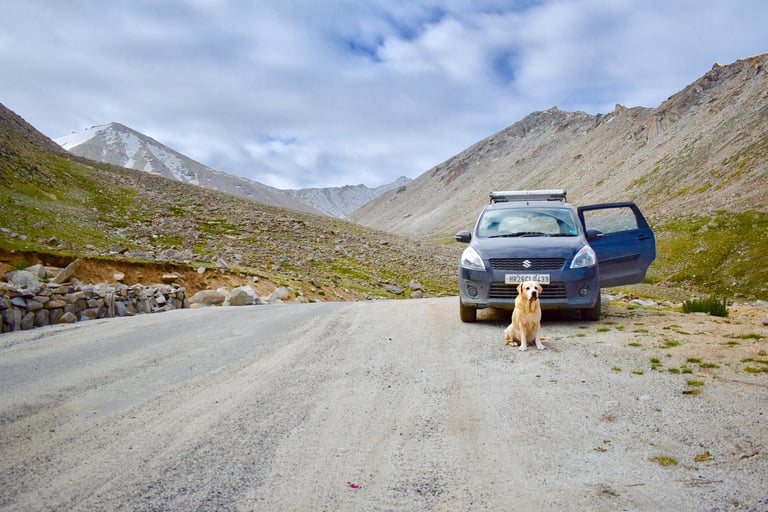
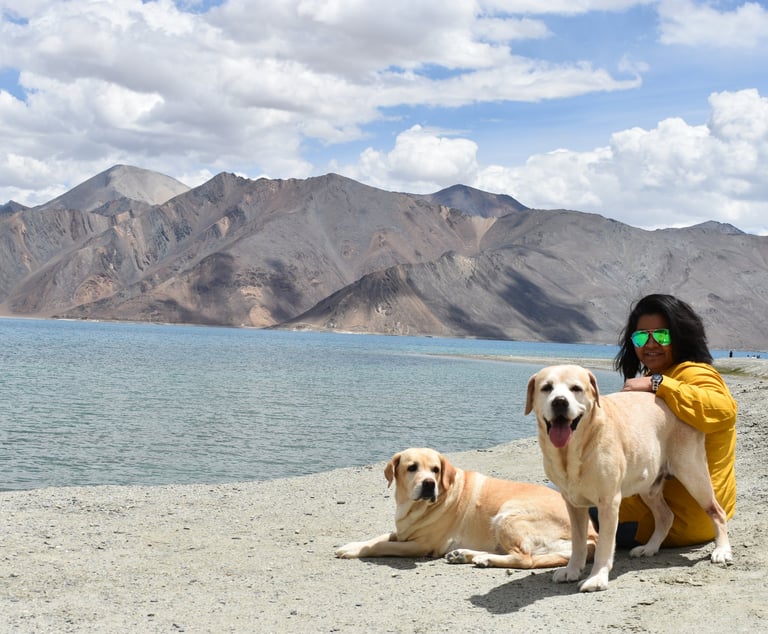
Travelling with Pets, has always been an adventure!
Premium dog boarding near me by Happy Pettings. Home-based pet boarding in Gurgaon with expert care & a stress-free stay, when you cant travel with your pets, call us and book your pet's vacation with us.
A Real Pet Owner's Guide to Taking Your Dog on a Road Trip
If you plan it right, taking your dog on a drive can be a lot of fun. I remember my first trip with my dog very well. I was excited, scared, and worried about every little thing, like feeding, taking breaks, car sickness, and safety.
After a lot of road trips, some mistakes, and a lot of learning, here is a simple, helpful guide to help you travel with your dog in your car without any problems.
1. Start with short trips (very important)
Don't start with a six- to eight-hour haul if your dog hasn't been on long drives before.
Start with trips that last 20 to 30 minutes.
Slowly make the time longer
Watch how your dog reacts
This process helps your dog understand that car rides are safe and short, not something to be afraid of.
4. Plan breaks every few hours
If you keep your dog sitting for too long, they can get tired, fidgety, and uncomfortable.
During stops:
Let your dog walk and stretch.
Give them water, but not too much.
Don't give big meals on the way
Choose quiet, safe places over busy roadside areas.
5. Be aware of feeding before the trip
Never feed your dog right before you leave.
Best way to do it:
Give food 3 to 4 hours before leaving.
Keep the meal light.
Don't add anything new.
This lowers the chance of throwing up or getting motion sickness.
6. Leave the vents slightly open, but make sure they are secure.
Dogs like fresh air, but safety has to come first.
Make sure the windows are open a little bit.
Don't let your dog hang their head out
If you need to, think about using protective screens.
A breeze of fresh air can help your dog feel better and less anxious.
7. Look for signs of illness or anxiety
Your dog might not say anything when they're in pain, but their body language will.
Common signs are:
Too much saliva
Breathing quickly
Low sounds coming from the mouth
Throwing up
If these happen:
Stop safely
Walk your dog for a little while.
Calm them down before you start traveling again.
If your pet gets sick a lot, talk to your vet.
8. Don't ever leave your dog alone in the car.
Not even for a second.
Even with the windows cracked open, the inside of a car can get dangerously hot very quickly.
If you stop:
One person should stay with the dog.
Or, only go to places that allow pets often.
Taking care of your dog is very important.
9. Book a place to stay that is pet-friendly ahead of time.
If you need to stop for the night on your trip:
Make reservations at places to stay that allow pets.
Let them know ahead of time when you'll be there.
Bring your dog's own bedding.
Your dog will adjust to new places more quickly if they sleep in a familiar place.
10. Stay calm—your dog will mirror your mood.
Dogs notice everything.
Your dog will act the same way if you are stressed, rushed, or worried.
Talk softly
Use words that make you feel better
Recognize good behavior
A calm dog is a calm caretaker.
Final Thoughts
Dog road trips aren't about being perfect; they're about being patient, ready, and loving. If you think ahead, your dog won't just get through the trip; they'll really enjoy it.
Go at a steady pace.
Stay focused.
And make memories together 🐾
Team Happy Pettings
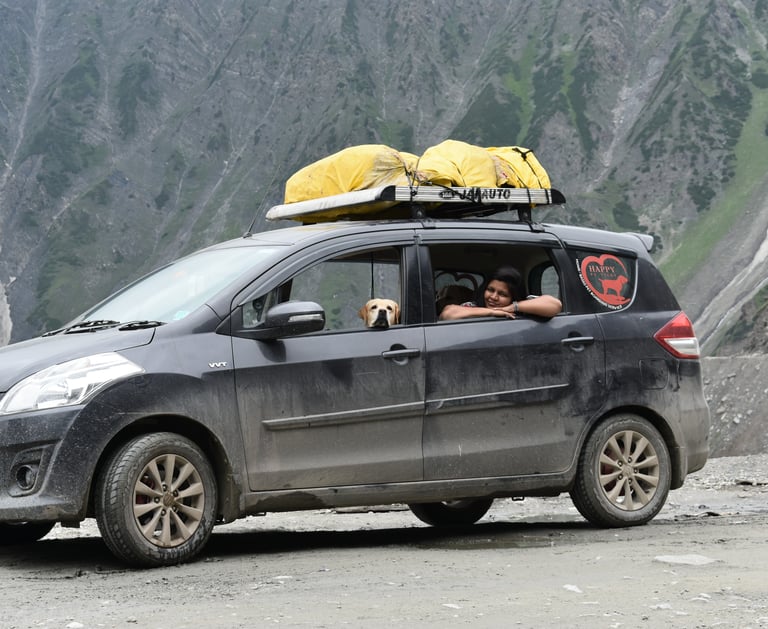
2. Always Keep Your Dog in the Car
One common mistake that pet owners make is letting their dogs run free in the car.
For health:
Use a dog safety belt or a harness that fits your dog.
Smaller dogs should ride in a special carrier.
Never let your dog sit on your lap while you're driving.
This keeps both the driver and the passenger safe, especially when the car suddenly stops.
3. Put together a separate travel kit for your dog.
Like you, your dog deserves their own kit.
Pack:
Enough supplies (more than what was thought to be needed)
A dish and drinking water
Rewards (helpful at stops)
Leash and bags for picking up poop
A favorite comfort item or blanket
Any medicines that are needed
A familiar smell, like a toy or blanket, helps your dog feel at ease during the trip.